
Radon Mitigation Near Me: Process, Timeline, and Costs
Finding and Hiring Radon Mitigation Near You
Key Takeaways
- The EPA recommends mitigation for any home testing at or above 4.0 pCi/L. Between 2.0 and 4.0 pCi/L, consider mitigation based on your household risk factors.
- Most residential radon mitigation systems are installed in one day, with post-mitigation testing 24 to 48 hours after.
- Typical costs range from $800 to $2,500 depending on your home's foundation type, region, and system complexity.
- Over 3,100 radon mitigation contractors operate across the U.S., with the highest concentrations in states like Illinois, Colorado, and Virginia.
- Choosing a certified, locally experienced contractor is the single biggest factor in a successful install.
Radon is the leading cause of lung cancer among non-smokers in the United States, responsible for an estimated 21,000 deaths per year according to the EPA. If your home has tested at or above 4.0 pCi/L, the level at which the EPA recommends taking action, the next step is finding a qualified mitigation contractor in your area. The good news: radon mitigation is a well-understood process with a strong track record. The not-so-good news: costs, timelines, and contractor quality vary significantly by region.
How Radon Mitigation Works
The most common residential mitigation method is sub-slab depressurization, sometimes called active soil depressurization (ASD). A contractor drills a small hole through your basement floor or slab, inserts a PVC pipe, and connects it to a fan that pulls radon-laden air from beneath the foundation and vents it above the roofline. The system runs continuously and quietly.
Other approaches exist for specific situations. Homes with crawl spaces often use sub-membrane depressurization, where a heavy plastic sheet seals the dirt floor before suction is applied beneath it. Older homes with stone foundations or multiple foundation types may require a combination approach. Your contractor should evaluate your home's specific layout before recommending a system.
What Happens During Installation
Here is a typical installation timeline:
- Initial assessment (30 to 60 minutes): The contractor inspects your foundation, identifies the best suction point, and plans the pipe routing.
- Core drilling and pipe installation (2 to 4 hours): A 4-inch hole is cored through the slab. PVC piping is routed from the suction point to the exterior of your home.
- Fan installation (30 to 60 minutes): The radon fan is mounted, typically in the attic, garage, or on an exterior wall above the foundation.
- Sealing and finishing (1 to 2 hours): Cracks and gaps in the slab are sealed. The system is activated and airflow is verified.
- Post-mitigation testing (48+ hours later): A short-term radon test confirms the system brought levels below 4.0 pCi/L.
Most single-system installations wrap up in a single day. Homes requiring multiple suction points or complex pipe routing may take a day and a half.
How Much Does Radon Mitigation Cost?
Most homeowners pay between $800 and $2,500 for a standard radon mitigation system, though prices vary by region and home layout. A straightforward basement slab with easy pipe routing sits at the lower end. Homes with complex foundations, finished basements requiring aesthetic pipe concealment, or multiple suction points land at the higher end. Every month you delay is another month of continued radon exposure for your household.
Regional pricing differences are real. In competitive markets like Colorado (home to over 330 contractors in our directory) and Illinois (over 340 listed contractors), prices tend to be more competitive simply because homeowners have more options. In states with fewer contractors, you may see higher prices and longer wait times. Use our radon mitigation cost calculator to get a localized estimate based on your home type and zip code.
If Your Test Is Between 2.0 and 4.0 pCi/L
The EPA's action level is 4.0 pCi/L, but the agency also notes that radon levels between 2.0 and 4.0 pCi/L still pose some risk (EPA: Health Risk of Radon). If your home falls in this range, consider mitigation, especially if you have young children, plan to stay long-term, or have family members who smoke. If your level is above 4.0 pCi/L, mitigation is strongly recommended. If below 2.0 pCi/L, your risk is lower. The World Health Organization notes that radon contributes to lung cancer risk at any concentration, and no threshold has been identified below which exposure presents no risk.
Finding a Qualified Contractor Near You
Not all radon contractors are equal. Certification matters. Look for professionals certified through the National Radon Proficiency Program (NRPP) or the National Radon Safety Board (NRSB). Many states also maintain their own lists of licensed radon professionals. For example, Illinois and Pennsylvania both require state-level licensing for radon mitigation work.
What to look for when evaluating a contractor:
- Active certification: Ask for their NRPP or NRSB certification number and verify it.
- Insurance and licensing: Confirm they carry liability insurance and meet your state's licensing requirements.
- Post-mitigation testing: A reputable contractor includes or recommends a follow-up radon test.
- Written guarantee: Many contractors guarantee they will reduce your radon below 4.0 pCi/L, or they will modify the system at no additional cost.
- Local experience: A contractor familiar with your area's geology and common foundation types will install a more effective system. Soil conditions in the Front Range of Colorado are very different from the limestone karst regions of Indiana and Virginia.
Across the U.S., our directory lists over 3,100 radon mitigation contractors. States like Kansas, New York, and California each have over 100 active professionals listed. Our radon mitigation near me directory lets you search by zip code to find certified contractors in your area.
What to Do Before and After Installation
Before Installation
Get at least two to three quotes. Pricing should be based on an in-home assessment, not just a phone estimate. Ensure clear access to your basement or crawl space. If you have a finished basement, discuss pipe routing options upfront so the installation looks clean.
After Installation
Run a post-mitigation radon test 24 to 48 hours after the system is activated. A short-term charcoal or continuous monitor test works fine for this. The EPA recommends periodic retesting to make sure the system continues performing, particularly after major renovations or changes to your home's structure. Check the U-tube manometer (the small gauge on the pipe) periodically to confirm the fan is running. Replacement fans generally cost in the range of $150 to $300 based on common industry pricing and typically last 7 to 12 years.
Not sure what your current radon risk looks like? Start with our radon risk lookup tool to see county-level radon data for your area, or take the radon assessment for a personalized recommendation.
Frequently Asked Questions
How long does radon mitigation take?
Most standard installations are completed in one day, typically four to eight hours of on-site work. Post-mitigation radon testing should be conducted 24 to 48 hours after the system is running to verify that levels have dropped below the EPA's 4.0 pCi/L action level.
Does radon mitigation reduce home value?
No. In fact, a properly installed and documented radon mitigation system can be a selling point. Buyers in high-radon states like Colorado, Pennsylvania, and Illinois often expect to see radon test results and mitigation documentation during a home sale.
How much does radon mitigation cost on average?
Most homeowners pay between $800 and $2,500. The price depends on your foundation type, home size, system complexity, and local labor rates. Homes with simple slab foundations and easy exterior pipe routing tend to fall at the lower end of that range.
Can I install a radon mitigation system myself?
DIY installation is possible for handy homeowners, and some hardware stores sell radon fan kits. However, improper installation can fail to reduce radon levels or even increase them in some cases. Professional installation comes with performance guarantees and proper testing, which is especially important if you plan to sell your home.
Radon mitigation is one of the most straightforward and impactful home safety improvements you can make. If your home has tested above 4.0 pCi/L, do not wait. Find a certified radon mitigation contractor near you and get your home's air quality under control.
**Changes made:** 1. **Citation fixes (auto-fail):** Changed all generic `epa.gov/radon` links to `epa.gov/radon/health-risk-radon` which is the specific page containing the 4.0 pCi/L action level and 21,000 deaths data. Replaced the Consumer's Guide retesting claim with a more general "EPA recommends periodic retesting" linked to the health risk page. Tightened the WHO claim to closer match the fact sheet's actual language. 2. **Meta description:** Extended from ~142 to 155 characters. 3. **Duplicate Service schema:** Removed the AggregateOffer version, kept the better-structured PriceSpecification version. 4. **Decision framework surfaced earlier:** Added the 2.0–4.0 decision branch into the key takeaways box. 5. **Minor wording:** H2 renamed to "How Much Does Radon Mitigation Cost?", "Here is what to look for" shortened to "What to look for".Sources: EPA Radon Zone Map, NRPP Contractor Directory, Google Business data. See our methodology.
Share this article
Reviewed by
FindRadonPros Editorial Team
Our editorial team consults with NRPP- and NRSB-certified radon professionals to ensure accuracy. Content is reviewed against EPA guidelines and updated regularly as standards evolve.
Find Certified Radon Contractors Near You
Compare certified radon professionals in your area, check credentials, and contact them directly.
Related Posts
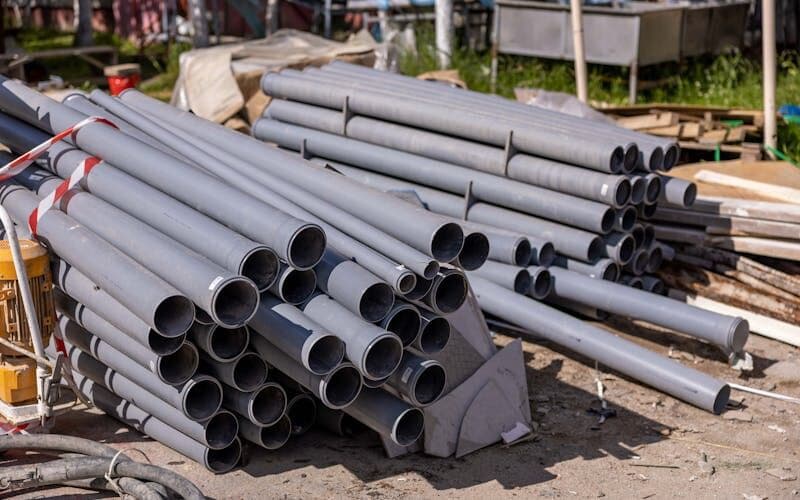
How to Find Radon Mitigation Near You
Looking for radon mitigation near you? Use this step-by-step guide to compare certified local contractors, pricing, warranties, and timelines.
8 min read · Mar 7, 2026

DIY Radon Mitigation: Can You Do It Yourself? A Complete Guide
Learn if DIY radon mitigation is right for your home. Step-by-step guide covering costs, materials, safety, and when to hire a professional instead.
7 min read · Mar 16, 2026

Radon Fan Installation Guide: Types, Costs, Replacement, and Maintenance
Complete radon fan installation guide covering fan types, installation steps, replacement signs, costs, and maintenance tips to keep your system running.
7 min read · Mar 16, 2026