Subslab Depressurization vs. Sub-Membrane Suction: Which Do You Need?
Two systems dominate residential radon mitigation. Active sub-slab depressurization (SSD) and sub-membrane depressurization (SMD). Both pull radon from under your home and vent it above the roofline. The difference? What's between the soil and your living space.
Key Takeaways
- SSD is usually for slab or basement homes; SMD is for dirt-floor crawlspaces.
- Both methods can work extremely well when pressure diagnostics and sealing are done right.
- Mixed foundations often require a combined approach, not a one-size-fits-all system.
- Choose based on foundation reality and verified performance, not on method name alone.
The short answer? If you've got a concrete slab or basement floor, you need SSD. If you've got a dirt-floor crawlspace, you need SMD. Got both? You might need both.
How Sub-Slab Depressurization Works
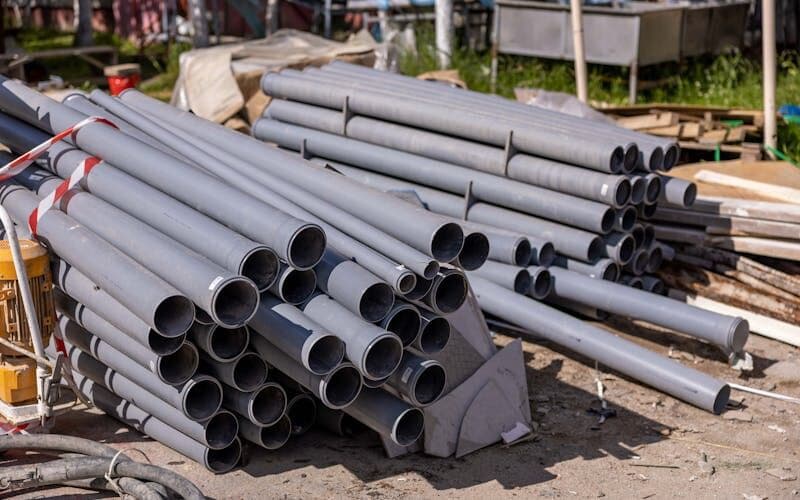
SSD is the bread and butter of radon mitigation. A contractor cores a 4 to 5 inch hole through your concrete slab, digs out a small pit underneath for suction, and runs PVC pipe from that point up through the roof. A fan in the pipe creates negative pressure under the slab -- basically a vacuum that pulls soil gas up and out before it seeps into your home.
Sounds simple because it kind of is. And that's why it works so well.
Your slab might look solid, but it's full of entry points for radon. Construction joints, shrinkage cracks, pipe penetrations, the gap where the slab meets the foundation wall. Warm air rising inside your home (the stack effect) naturally pulls soil gas in through all of those openings. SSD reverses that pressure gradient.
Most homes need one suction point. Larger homes, additions with separate pours, or homes with very tight soil might need two or three. If you're in a city like Philadelphia or Albany where housing stock varies wildly, the number of points really depends on the specific home.
How Sub-Membrane Depressurization Works
No slab? No problem -- but it's more work.
SMD covers the exposed dirt in your crawlspace with a heavy-duty poly membrane (6-mil minimum). The membrane gets sealed to the walls, around support piers, around pipes -- every penetration. Then a suction point goes under the membrane, connected to the same kind of fan-and-pipe setup as SSD.
Real talk: the install is harder. Crawlspaces are tight, dirty, and awkward to work in. Cutting and fitting membrane around obstacles takes time. And if the sealing isn't thorough, the vacuum under the membrane weakens and radon bypasses the system. That's why SMD costs more -- you're paying for careful labor in uncomfortable conditions.
What If You've Got Both?
Split-level homes and houses with a partial basement plus a crawlspace are common in the Northeast and Midwest. For these, you typically need SSD under the slab portion and SMD in the crawlspace. Two suction points, potentially two separate pipe runs, sometimes two fans.
It's more expensive but there's no shortcut. You can't just treat half the foundation and hope for the best.
So Which One Actually Works Better?
Neither. They're both excellent when installed properly. The EPA rates active soil depressurization as the most reliable technique for reducing indoor radon, capable of cutting levels by 80% to 99% in most homes.
The key word there is "properly." A sloppy SSD install with poor sealing will underperform a meticulous SMD job, and vice versa. What matters isn't the method -- it's the contractor's attention to suction point placement, crack sealing, fan sizing, and vent routing.
After installation, a post-mitigation test confirms whether levels dropped below 4.0 pCi/L (the EPA action level). Ideally you want below 2.0. If levels stay elevated, the contractor should evaluate whether they need more suction points, better sealing, or a stronger fan. We cover what to do with elevated results in our high radon test guide.
Choosing the Right Contractor for Either System
Look for current professional certification -- that applies regardless of system type. And ask specifically about their crawlspace experience if you need SMD. Not every radon contractor loves crawlspace work, and you want someone who does it regularly. Check our 8 questions to ask before signing anything.
Performance Numbers: What Success Looks Like
Both systems can deliver strong reductions when the pressure field is right. In real homes, active soil depressurization commonly cuts indoor radon by about 80% to 99%. That wide range is normal because foundation leakage patterns are different in every house.
A useful benchmark is not just getting below 4.0 pCi/L once. It is maintaining stable readings through weather swings. Stack effect is stronger in cold months, and some homes show higher winter values even after mitigation. That is why a follow-up test after the first heating season is a smart quality check.
If you want to sanity-check your local risk context before system design, use radon risk lookup and compare city trends such as Albany and Richmond.
Installation Details That Separate Good From Great
For SSD, the key technical choices are suction pit size, pipe route, and fan placement. A deeper, properly excavated pit under the slab often improves pressure communication and can reduce the need for a second suction point. Pipe routing should minimize hard bends to preserve airflow efficiency.
For SMD, membrane quality and seal quality are everything. Contractors typically use at least 6-mil poly, and many use thicker material for durability. Seams should be taped and sealed at walls, columns, and penetrations. A loose seam can collapse pressure under the membrane and let radon bypass the system.
Homeowners in mixed-foundation markets like Pennsylvania and Ohio should explicitly ask how the plan handles transitions between basement and crawlspace zones. That design step often determines whether one system can do the job or whether both are needed.
Which System Should You Choose in Real Life?
If your living area sits over concrete, SSD is usually the default because it directly controls pressure beneath the slab. If your home has exposed soil in a crawlspace, SMD is usually non-negotiable because sealing and suction have to work together. In hybrid homes, a combination approach is often the only reliable option.
Cost should be compared with expected result and durability, not installation speed alone. A cheaper install that skips thorough membrane sealing or pressure diagnostics can lead to callbacks and extra spending later. Paying once for correct pressure field development is usually cheaper than rework.
Before committing, run your baseline through the results interpreter and ask your installer what result range they target at 30 days and 12 months. That keeps the conversation focused on outcome, not just equipment.
Decision Framework 1 for subslab vs submembrane depressurization
Homeowners usually get the best outcome when they convert this topic into a step-by-step decision process instead of one big yes-or-no choice. Start with your measured result, confirm testing quality, and then compare options using written scope so every bid can be evaluated fairly.
Use local context to make your plan realistic. Review your state page at state market context, check a comparable city page like local provider depth, and run numbers in the mitigation cost tool. This three-point check helps you avoid overpaying or under-scoping the work.
Technical detail matters here: EPA action level is 4.0 pCi/L, average indoor concentration in U.S. homes is about 1.3 pCi/L, and outdoor background is around 0.4 pCi/L. WHO has also referenced a lower target level near 100 Bq/m3 (about 2.7 pCi/L). Using those benchmarks keeps decisions concrete and consumer-focused.
After you choose a certified professional, set a follow-up testing date immediately. That simple scheduling step is one of the easiest ways to ensure this project actually reduces long-term exposure instead of becoming another unfinished home task.
FAQ
Can one fan handle both slab and crawlspace areas?
Sometimes, yes. It depends on foundation layout, pipe routing resistance, and pressure diagnostics. Some homes need separate branches or separate fans.
Does sub-membrane suction make crawlspaces drier?
It can help reduce moisture movement when the membrane is sealed well, but it is not a full substitute for dedicated drainage or dehumidification where water problems exist.
Is a passive system enough?
Passive systems can help in limited cases, but active fan-driven systems are generally more reliable for reducing elevated indoor levels in existing homes.
How soon should I retest after installation?
A post-install test is typically run shortly after activation, and a second check in a different season is a good way to confirm stable year-round performance.
Final Planning Checklist for This Topic
If you want one simple approach, do this in order: confirm your latest test quality, compare local options with written scope, choose a certified professional based on outcome plan, and document follow-up testing dates now. This keeps decisions clear and reduces expensive backtracking.
Most homeowners get better results when they set a target outcome before comparing bids. For example, they decide they want a stable long-term result well below 4.0 pCi/L, then ask each contractor to explain how their plan gets there. That shifts the conversation from sales language to measurable performance.
Use your local directories and tools together: review state-level context at Pennsylvania or Colorado, check a comparable city like Anchorage, and run numbers in the mitigation cost tool. Keeping all three views aligned makes your final choice faster and more confident.
Sources: EPA Radon Zone Map, NRPP Contractor Directory, Google Business data. See our methodology.
Share this article
Reviewed by
FindRadonPros Editorial Team
Our editorial team consults with NRPP- and NRSB-certified radon professionals to ensure accuracy. Content is reviewed against EPA guidelines and updated regularly as standards evolve.
Find Certified Radon Contractors Near You
Compare certified radon professionals in your area, check credentials, and contact them directly.
Related Posts
Basement vs Crawlspace Radon Mitigation Cost
Basement and crawlspace radon mitigation systems use different methods and budgets. Compare costs, design differences, and what affects final pricing.
8 min read · Mar 7, 2026

Selling a House With Radon: What Sellers Need to Know
Selling a home with high radon? Learn when to test, whether to mitigate before listing, disclosure rules, and how to turn mitigation into a selling point.
7 min read · Mar 11, 2026
Radon Mitigation System Maintenance: What Homeowners Need to Know
Radon systems need periodic attention. Learn how to read the manometer, spot fan failure, when to retest, and when to call a pro.
7 min read · Mar 11, 2026