Editor's Pick
Must-have for mitigated homes
RadonAway 50017 Easy Read Manometer
Every mitigated home needs one — confirms your fan is running at a glance.
If you have a radon mitigation system, these are the maintenance essentials that keep it running effectively. Every mitigated home should have a manometer, and sealing foundation cracks improves system performance. These are the products trusted by homeowners and recommended by professionals.
Disclosure: This page contains affiliate links. If you purchase through these links, we may earn a small commission at no extra cost to you. This helps support our free directory. We only recommend products we believe provide genuine value.
Check your manometer monthly — a zero reading may mean your mitigation fan has failed. Annual maintenance keeps your system protecting your family.
Must-have for mitigated homes
Every mitigated home needs one — confirms your fan is running at a glance.
Essential for sump-based systems
Gas-tight seal for sump pits — a key part of any ASD system.
Quick maintenance fix
Seal foundation cracks and pipe penetrations to improve system performance.
Best for crawlspace encapsulation
Heavy-duty barrier to block soil gas and moisture in crawlspaces.
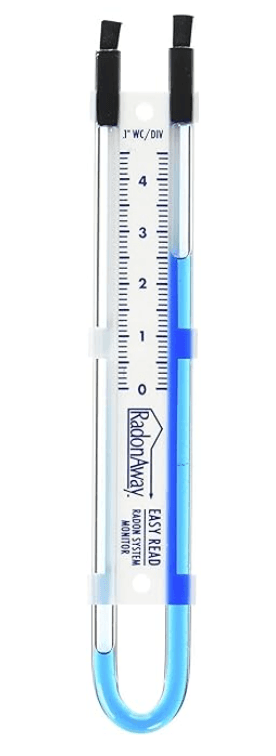
Monitoring your mitigation system daily
$13.95
Pros
Cons
✓ Free shipping with Prime
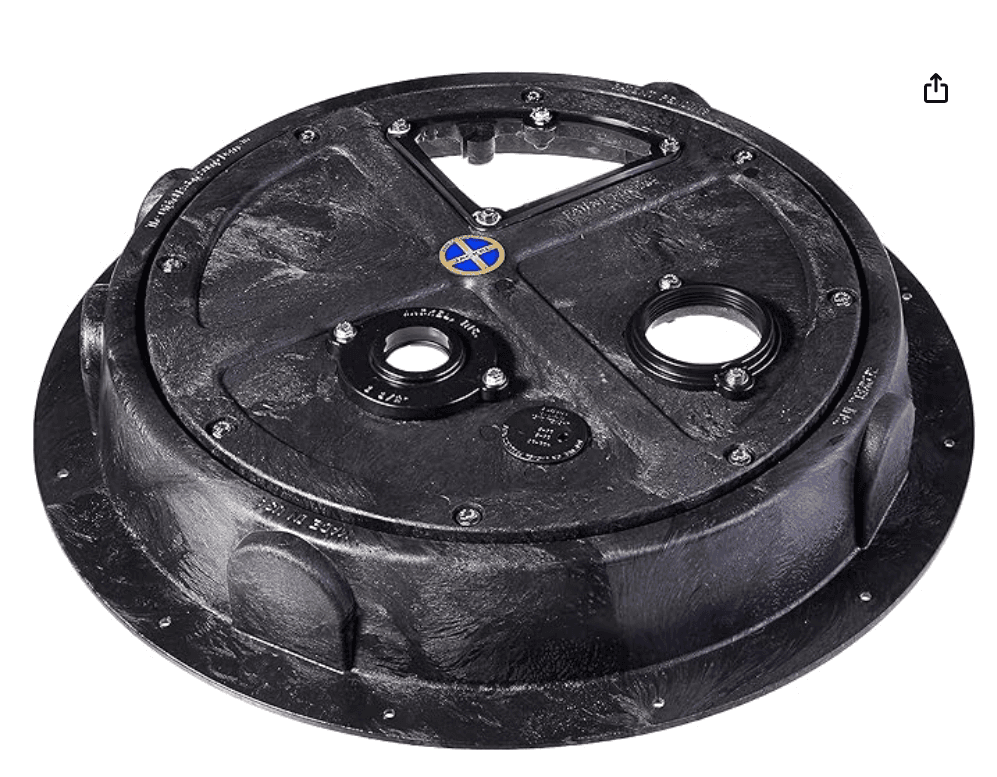
Sealing sump pits for radon mitigation
$119.99
fits 28" OD sump pits
Pros
Cons
✓ Free shipping with Prime
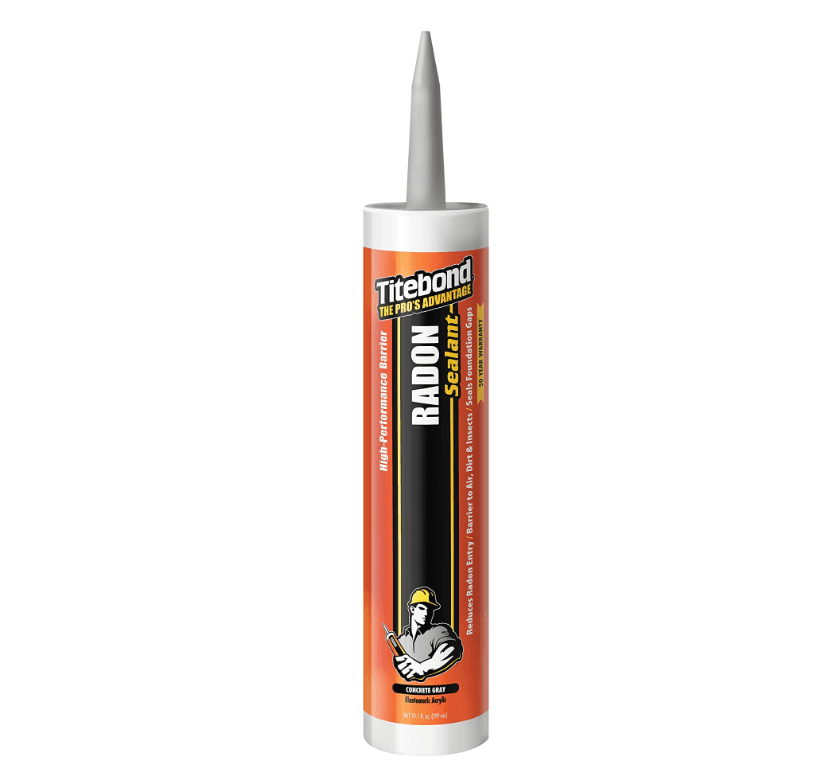
Sealing foundation cracks and pipe penetrations
$8.47
per 10.1 oz tube
Pros
Cons
✓ Free shipping with Prime
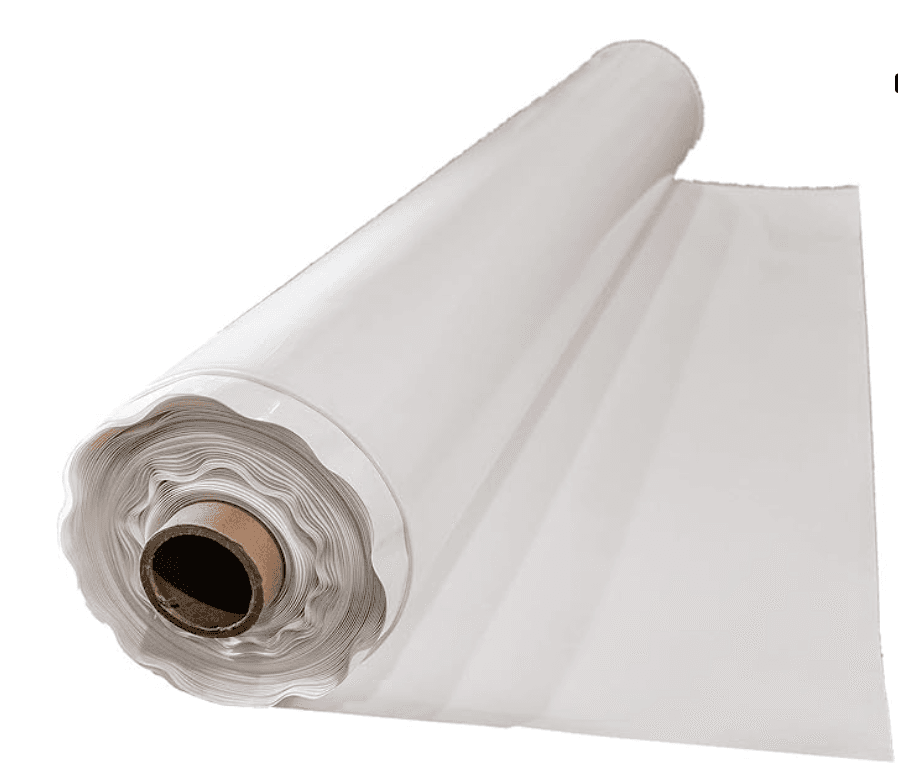
Crawlspace encapsulation and radon reduction
$799.99
covers 1,200 sq ft
Pros
Cons
✓ Free shipping with Prime
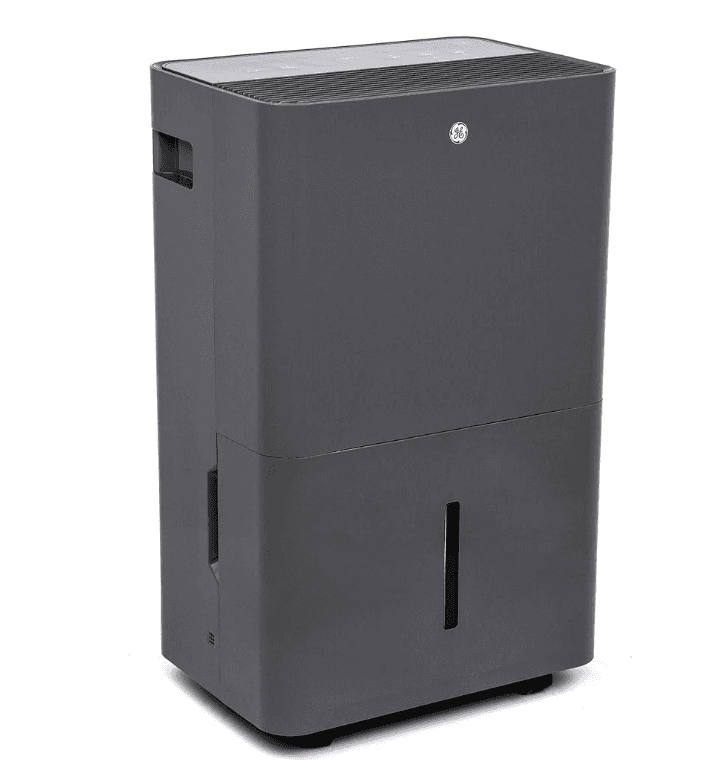
Reducing basement moisture alongside mitigation
$329.00
Pros
Cons
✓ Free shipping with Prime
| Product | Price | Best for | Rating | Action |
|---|---|---|---|---|
RadonAway 50017 Easy Read Manometer | $13.95 | Monitoring your mitigation system daily | 4.5/5 | View |
Jackel Original Radon/Sump Dome (SMR16101-CV) | $119.99 | Sealing sump pits for radon mitigation | 4.5/5 | View |
Titebond 3251 Radon Sealant (10.1 oz) | $8.47 | Sealing foundation cracks and pipe penetrations | 4.4/5 | View |
Whitecap Premium 20 Mil Vapor Barrier (12' × 100') | $799.99 | Crawlspace encapsulation and radon reduction | 4.2/5 | View |
GE 50-Pint Dehumidifier with Built-in Pump | $329.00 | Reducing basement moisture alongside mitigation | 4.4/5 | View |
Find certified radon contractors near you for testing, mitigation, and system installation.
Find certified contractors near you →You might also need
A digital radon monitor gives you real-time readings to confirm your mitigation system is working effectively.
DIY supplies like sealants and vapor barriers can reduce radon entry, but they are rarely sufficient on their own. The EPA recommends professional active soil depressurization (ASD) systems for homes above 4 pCi/L. These supplies work best as complements to a professional mitigation system.
A U-tube manometer is a simple liquid-filled gauge that shows whether your radon mitigation fan is creating suction. If the liquid levels are equal, your fan may have failed. It costs under $20 and every mitigated home should have one installed on the radon pipe.
Check your U-tube manometer monthly and test your home's radon level every 2 years. Replace mitigation fans every 5-10 years depending on the model. If your manometer shows no pressure differential, contact a radon professional immediately.
Our product recommendations are based on a structured evaluation process:
We do not accept payment for placement. Products earn their position through the evaluation criteria above. As an Amazon affiliate, we earn from qualifying purchases at no extra cost to you.
Some links on this page are affiliate links. FindRadonPros may earn a commission at no extra cost to you. See our disclosure policy.