Editor's Pick
Best entry point
First Alert RD1
Very low cost and easy for first-time testing when you need a quick screen.
Short-term kits are best for quick screening, while long-term kits give a more representative average exposure profile over time.
Disclosure: This page contains affiliate links. If you purchase through these links, we may earn a small commission at no extra cost to you. This helps support our free directory. We only recommend products we believe provide genuine value.
Winter is peak radon season — closed windows mean higher indoor levels. The EPA recommends testing between October and March for the most accurate results.
Best entry point
Very low cost and easy for first-time testing when you need a quick screen.
Best short-term value
Consistent reputation and strong value for repeat one-time checks.
Best store availability
Common retail availability for buyers who need a kit quickly.
Best long-term confirmation
Designed for longer monitoring windows and better seasonal averaging.
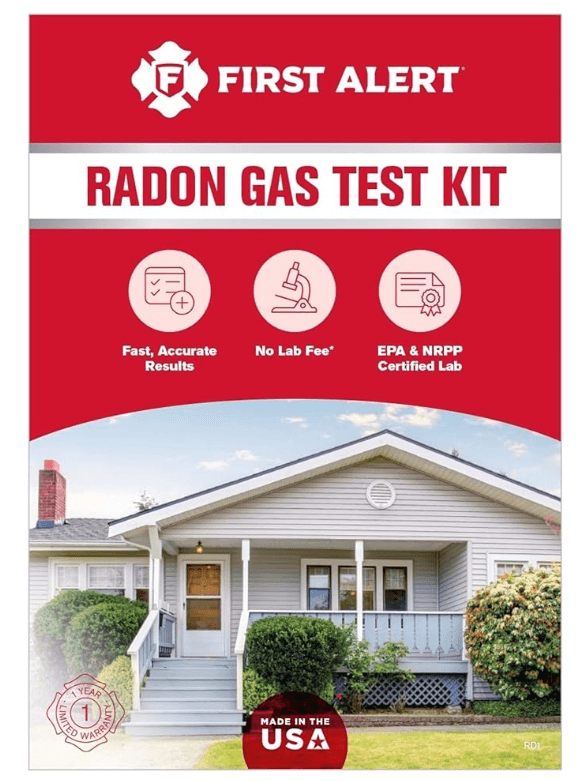
Lowest-cost first test
$18.98
Pros
Cons
✓ Free shipping with Prime
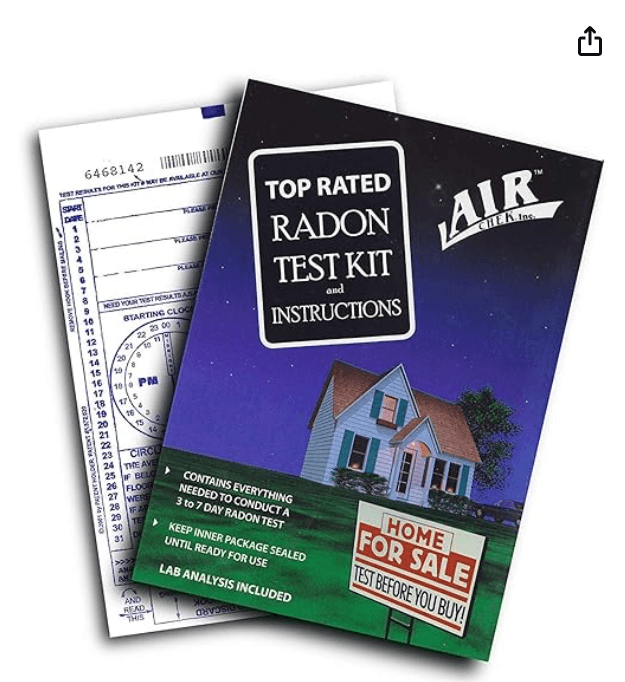
Reliable short-term screening
$20.87
Pros
Cons
✓ Free shipping with Prime
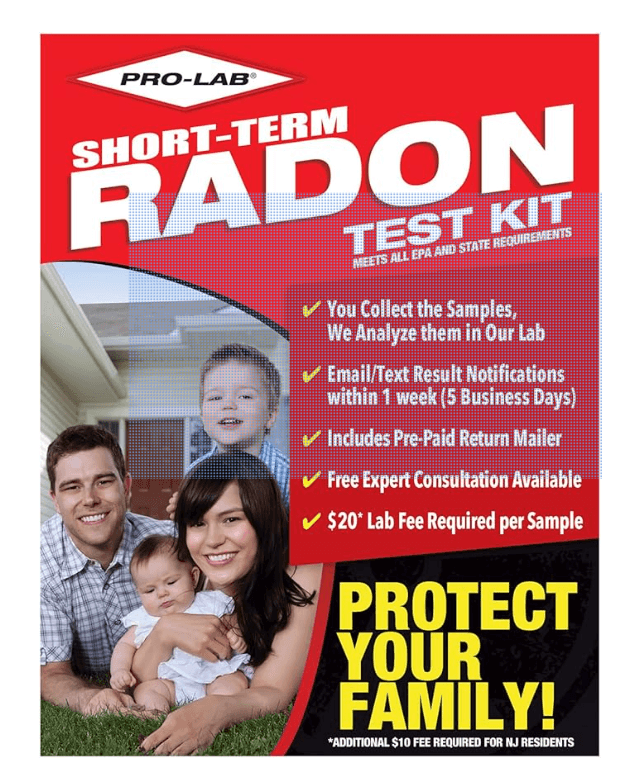
Budget buyer comparing local availability
$15.98
Pros
Cons
✓ Free shipping with Prime
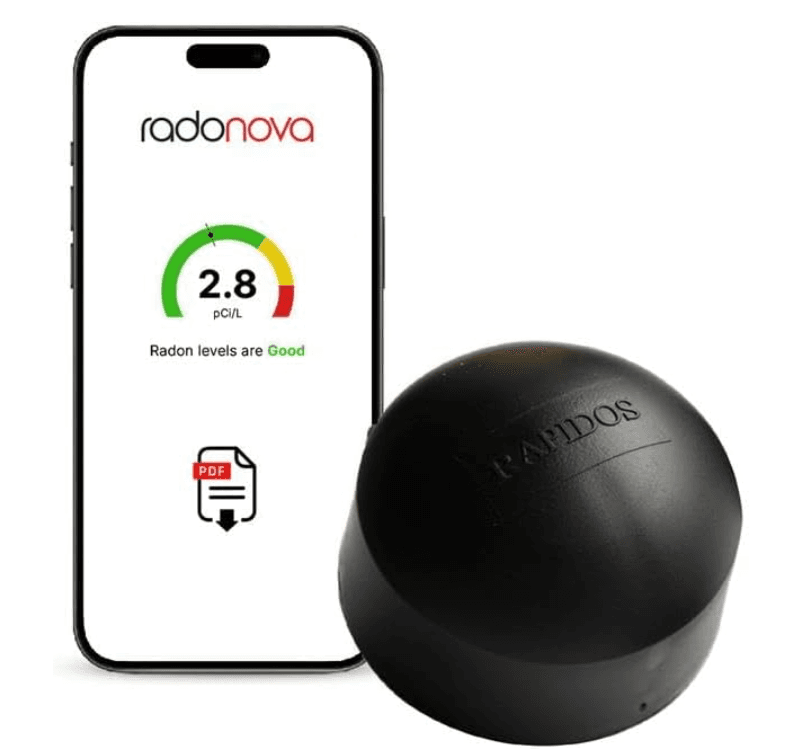
Long-term confirmation and borderline results
$25.95
Pros
Cons
✓ Free shipping with Prime
| Product | Price | Kit type | Accuracy | Best for | Rating | Action |
|---|---|---|---|---|---|---|
First Alert RD1 | $18.98 | Short-term charcoal canister | EPA-listed lab analysis | Lowest-cost first test | 4.3/5 | View |
Air Chek Short-Term Kit | $20.87 | Short-term charcoal canister | EPA-listed lab analysis | Reliable short-term screening | 4.4/5 | View |
PRO-LAB Radon Gas Test Kit | $15.98 | Short-term charcoal canister | Lab-analyzed short-term result | Budget buyer comparing local availability | 4.0/5 | View |
Radonova Rapidos (2-pack) | $25.95 | Long-term alpha track | High-accuracy lab reputation | Long-term confirmation and borderline results | 4.5/5 | View |
Find certified radon contractors near you for testing, mitigation, and system installation.
Find certified contractors near you →You might also need
After your initial test, a digital monitor tracks radon levels continuously so you always know where you stand.
Short-term charcoal canister tests take 2-7 days. Long-term alpha track tests run for 90 days to 1 year. The EPA considers short-term tests a useful initial screening, but recommends a follow-up long-term test if results are near the 4 pCi/L action level.
Start with a short-term test kit for a quick baseline. If results are above 4 pCi/L, take action. If results are borderline (2-4 pCi/L), follow up with a long-term test like the Radonova Rapidos for a more accurate seasonal average.
Yes. Both charcoal canister and alpha track kits require lab analysis. The lab fee is typically included in the kit price. Results are usually returned within 1-2 weeks after the lab receives your sample.
No. Charcoal canister kits are single-use. Once exposed, the charcoal absorbs radon and must be sealed and sent to the lab. For repeat testing, purchase a new kit each time.
The EPA recommends testing during the colder months (October through March) when windows are typically closed and radon levels are highest. However, any time of year is better than not testing at all.
Our product recommendations are based on a structured evaluation process:
We do not accept payment for placement. Products earn their position through the evaluation criteria above. As an Amazon affiliate, we earn from qualifying purchases at no extra cost to you.
Use these for a quick decision point, home purchase timing, or your first baseline result. They are low-cost and easy to deploy.
Use these when short-term results are borderline, after mitigation to confirm seasonal stability, or when you want a more representative average.
Finished your test? Use our result interpreter to decide next steps: Understand Your Results.
Some links on this page are affiliate links. FindRadonPros may earn a commission at no extra cost to you. See our disclosure policy.