
Radon Testing Near Me: A Complete Guide
Find Radon Testing Near You
Radon is an invisible, odorless radioactive gas that seeps into homes through foundation cracks, sump pits, and gaps around pipes. According to the EPA's Citizen's Guide to Radon, it is the second leading cause of lung cancer after smoking, based on findings from the National Academy of Sciences BEIR VI Report. You can't see it or smell it. The only way to know if your home has a radon problem is to test for it.
Key Takeaways
- The EPA action level for radon is 4.0 pCi/L. If your home tests at or above this level, mitigation is recommended.
- Short-term test kits (2-7 days) provide a quick snapshot, while long-term tests (90+ days) give a more accurate annual average.
- Professional radon testers should be certified through a national radon proficiency program.
- Radon levels vary block by block. Your neighbor's results don't predict yours.
- Most homeowners pay between $150 and $350 for professional testing, though DIY kits start under $20.
Why Does Radon Testing Matter?
The EPA estimates roughly 21,000 lung cancer deaths per year are linked to radon exposure. That figure is based on the national average indoor radon level of 1.3 pCi/L. Many homes, particularly in states like Illinois, Colorado, Pennsylvania, and Indiana, test well above that average.
Radon comes from the natural breakdown of uranium in soil and rock. Certain geological formations produce more radon than others, which is why some regions carry higher risk. Granite-heavy areas in Colorado, glacial soils across the Midwest, and shale deposits in Pennsylvania all contribute to elevated indoor levels. But even in areas classified as lower risk, individual homes can test high. Geology is local, and so is radon.
What Types of Radon Tests Are Available?
Short-Term Tests
Short-term tests last between 2 and 7 days. Charcoal canisters are the most common type. You place them in the lowest livable level of your home, seal the house as much as practical, then mail the canister to a lab for analysis. These tests give a quick snapshot of radon levels and are a reasonable first step. If a short-term test comes back at or above 4.0 pCi/L, the EPA recommends following up with a second test to confirm the result.
Long-Term Tests
Long-term tests run for 90 days or more and use alpha track detectors. Because radon levels fluctuate with seasons, weather, and ventilation patterns, a long-term test captures a more reliable picture of your actual exposure. If you're not in a rush (you're not buying or selling a home, for example), a long-term test gives you better data to make decisions on.
Continuous Radon Monitors
Professional testers often use continuous radon monitors (CRMs). These electronic devices record radon levels hour by hour and provide detailed data over the testing period. CRMs are the standard for real estate transactions in many states because they're tamper-resistant and produce time-stamped records. They also detect unusual patterns that might indicate interference with the test.
Should You DIY or Hire a Professional?
DIY test kits are widely available at hardware stores and online. They typically cost $15 to $30, including lab analysis. For a basic screening of your home, they work fine. Follow the instructions carefully: keep windows and doors closed for at least 12 hours before the test and during the testing period, place the kit in the lowest livable area, and avoid high-humidity spots like bathrooms.
Professional testing costs more, usually between $150 and $350 depending on your market and the type of equipment used. In high-demand metro areas across Colorado or the greater Chicago region, prices may land at the upper end of that range. In areas with fewer certified professionals, you might pay more simply due to travel time. Use our radon risk lookup tool to check what's typical in your area.
Here's a practical decision framework. If you're buying or selling a home, hire a certified professional. Lenders and real estate contracts often require it, and CRM data carries more weight than a mail-in kit. If you're screening your current home out of curiosity, a DIY kit is a perfectly valid starting point. If that result comes back at 2.0 pCi/L or higher, consider a professional follow-up test. If it's above 4.0 pCi/L, take action.
How Do You Find Qualified Radon Testers?
Look for professionals certified through a national radon proficiency program. Not every state requires radon professionals to hold a license, but certification matters. The EPA recommends contacting one of two privately run national radon proficiency programs that offer certification in radon testing and mitigation: the National Radon Proficiency Program (NRPP) and the National Radon Safety Board (NRSB). Both organizations maintain searchable directories of certified testers and mitigators.
The American Association of Radon Scientists and Technologists (AARST) and ANSI have developed consensus standards for radon testing and mitigation. Professionals who follow these standards are more likely to deliver accurate results and, if mitigation is needed, install systems that actually work.
Based on our directory data, there are over 3,100 radon contractors listed across the country. Some states have far more options than others. Illinois and Colorado each have over 300 listed contractors. Virginia, Indiana, and Kansas each have between 170 and 260. States like New York, California, and Pennsylvania each have over 100. You can search for radon testing professionals near you to see what's available in your area.
What Do Your Test Results Mean?
The EPA action level is 4.0 pCi/L. Radon is measured in picocuries per liter of air (pCi/L). That action level doesn't mean levels below 4.0 are "safe." There is no known safe level of radon exposure. The EPA also recommends considering mitigation for levels between 2.0 and 4.0 pCi/L.
If your test result is below 2.0 pCi/L, your home's radon level is relatively low. No immediate action is needed, though retesting every few years or after major renovations is still a good idea. If your result falls between 2.0 and 3.9 pCi/L, consider a long-term follow-up test. If the average confirms levels in this range, mitigation is worth exploring. If your result is 4.0 pCi/L or above, the EPA recommends mitigation. A qualified radon mitigator can install a system, typically a sub-slab depressurization unit, that reduces levels by up to 99%.
Most homeowners pay between $800 and $1,500 for a standard mitigation system, though prices vary by region and home layout. Larger homes, those with complex foundations, or properties with crawl spaces may cost more. Our radon mitigation cost calculator can help you estimate what to expect.
When Should You Test for Radon?
The EPA recommends testing every home, regardless of geographic zone. Specific situations where testing is especially important include: buying or selling a home, moving into a previously untested property, finishing a basement, and after any mitigation system is installed (to confirm it's working). Seasonal variation is real. Winter tests tend to read higher because homes are sealed up. That's not a reason to skip summer testing, but it's worth understanding that a single test is a snapshot, not a permanent answer.
Frequently Asked Questions
How long does a professional radon test take?
Most professional tests using continuous radon monitors run for 48 hours minimum. The technician places the device, returns to retrieve it, and provides results within a day or two after that. Some professionals offer longer test periods for more thorough readings.
Can I test my home for radon myself?
Yes. DIY charcoal test kits are available at most hardware stores for under $30. They provide a reliable screening result when used according to the instructions. For real estate transactions, however, most contracts require a certified professional to conduct the test.
Does every home need radon testing?
The EPA recommends testing all homes below the third floor, regardless of location or age. Radon levels can vary significantly between neighboring houses due to differences in foundation type, soil conditions, and construction materials. The only way to know your level is to test.
How often should I retest for radon?
The EPA suggests retesting every two to five years, even if previous results were low. You should also retest after major structural changes like finishing a basement, adding ventilation systems, or if your mitigation system has been modified or serviced.
Radon testing is straightforward, affordable, and could genuinely protect your family's health. Whether you grab a $15 kit from the hardware store or hire a certified tester, the important thing is to actually do it. Check your home's radon risk with our free radon assessment tool and take the first step today.
Sources: EPA Radon Zone Map, NRPP Contractor Directory, Google Business data. See our methodology.
Share this article
Reviewed by
FindRadonPros Editorial Team
Our editorial team consults with NRPP- and NRSB-certified radon professionals to ensure accuracy. Content is reviewed against EPA guidelines and updated regularly as standards evolve.
Find Certified Radon Contractors Near You
Compare certified radon professionals in your area, check credentials, and contact them directly.
Related Posts
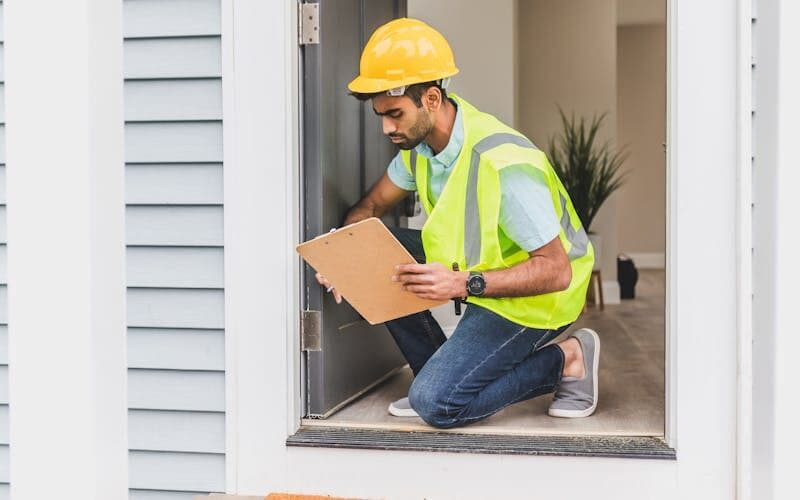
How to Find Radon Testing Near You
Need radon testing near you? Learn how to compare certified testers, choose the right method, and avoid common mistakes before booking.
7 min read · Mar 7, 2026

Radon in Metro Atlanta: Testing, Mitigation, and What to Expect
Metro Atlanta sits in EPA Zone 2 with 20 radon contractors serving the region. Learn about testing, mitigation options, and local considerations for Atlanta-area homes.
5 min read · Mar 10, 2026

How to Get Your Home Tested for Radon in Ohio
Ohio is a high-radon state with 47 certified contractors across 28 cities. Learn how to test your home, understand your results, and find local professionals.
5 min read · Mar 10, 2026