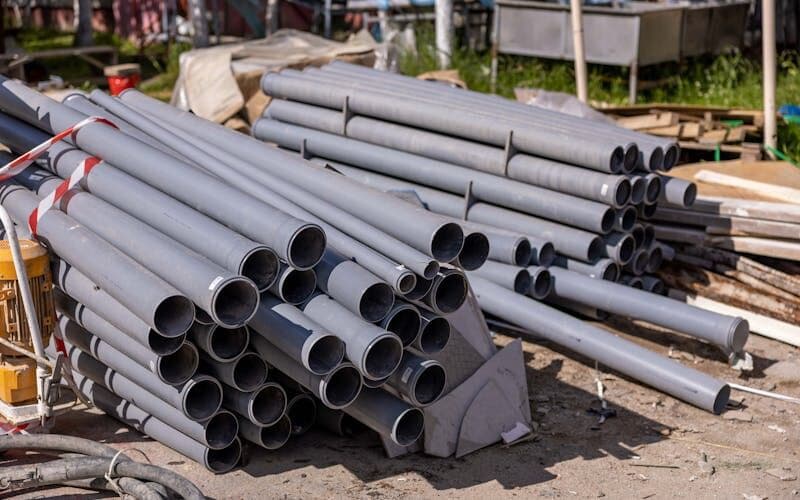
How Long Does Radon Mitigation Take?
Most homeowners are surprised by how fast installation is. In many homes, radon mitigation itself takes about 4 to 8 hours. The longer part is usually scheduling, permitting (where needed), and post-install verification.
Key Takeaways
- Use your test result and local context together before making a decision.
- EPA action level is 4.0 pCi/L, and long-term exposure is what drives risk.
- Clear scope and post-install verification matter more than quick sales promises.
- Internal tools and local city/state pages can help you compare options faster.
If you are in a real-estate deal, understanding the full timeline helps prevent closing stress.
Typical End-to-End Timeline
- Quote and scope: 1 to 5 days
- Scheduling window: a few days to a few weeks (market dependent)
- Installation day: usually same-day completion
- Post-install test and report: typically a few days after activation
In busy seasons, scheduling lead time is often the biggest variable.
Why Installation Is Usually One Day
Standard sub-slab systems are well-defined: create suction point(s), route piping, install fan, seal major entry points, and verify operation indicators. Experienced crews do this routinely.
Crawlspace or mixed-foundation homes can take longer due to membrane fitting, access limits, or multi-zone design.
What Can Delay the Job?
- Heavy seasonal demand
- Complex routing in finished spaces
- Electrical access constraints
- Permit or HOA requirements in some areas
- Mixed foundation design adjustments
Most delays are logistical, not technical. Early scheduling is the best protection.
Real-Estate Deadlines
If you are buying or selling, tell contractors your contract milestones immediately. Many teams can prioritize transaction jobs when they know your deadline.
Start with local mitigation listings and ask each provider for earliest install and post-test completion dates in writing.
In high-volume markets like Philadelphia and Denver, this can make the difference between smooth close and rushed renegotiation.
How Long Until Levels Drop?
Levels often begin dropping quickly after system startup, but verification testing is still required to confirm sustained performance. Do not rely on assumptions from fan noise or visual indicators alone.
A proper post-mitigation test gives documented evidence for your records and any transaction file.
Planning Tips to Keep Timeline Short
- Collect test report and home details before requesting bids.
- Request three comparable scopes immediately.
- Approve scope quickly once credential and design checks are complete.
- Confirm who handles post-testing and reporting.
Administrative readiness often saves more time than any technical shortcut.
How This Connects to Cost
Fast service windows can carry premium pricing in busy periods. Use the mitigation cost estimator to benchmark fair ranges before accepting rush pricing.
Still, if your level is elevated and deadlines are tight, speed can be worth paying for.
After Installation: What to Watch
Keep your system documentation, warranty terms, and test reports. Learn what normal indicator readings look like so you can spot potential fan failure later.
Plan periodic retesting and include radon checks after major renovations.
Scheduling Strategy for Faster Completion
If you need the fastest possible turnaround, request quotes from multiple providers on the same day and include your preferred install window in the first message. Contractors can often give more accurate schedules when they know your timing constraints immediately.
Also ask who coordinates post-install testing and how quickly results are delivered. Some delays happen because homeowners assume testing is automatic when it is not yet scheduled. Clarifying this early can save several days.
For transaction-driven timelines, consider drafting a simple contingency plan with your agent: primary installer, backup installer, and date triggers for credits or closing adjustments. A clear plan reduces pressure if one scheduling window slips.
Communication Plan During Installation Week
Set one communication owner before installation week begins. That person should handle contractor updates, property access details, and document collection. Centralized communication prevents missed messages and speeds issue resolution if schedule adjustments are needed.
After installation, confirm exact timing for post-test placement and report delivery so the process does not stall between completion and verification.
Keep Milestones Written
Write down three dates: installation, post-test start, and report delivery. A simple milestone list keeps everyone aligned and prevents timeline drift late in the process.
Ask for written milestones before work starts and confirm who sends each update. A simple communication plan often saves days in real transactions.
Confirm access details, utility locations, and contact information before arrival day so crews can begin immediately and avoid avoidable setup delays.
If weather or access constraints appear, ask for immediate revised milestones so everyone can adjust expectations before deadlines are affected.
Bottom Line
The install itself is usually fast, often one day. The full process from high test to verified result is longer because scheduling and testing logistics add time.
If you want the fastest path, start with certified local contractor directories, request comparable scopes, and book early.
Where the Time Goes: Scheduling vs Installation
Most homeowners are surprised that installation itself is usually fast while scheduling is the slow part. A typical system install is often completed in one day, but lead times can range from a few days to a few weeks depending on season and contractor backlog.
Permit requirements, weather, and access logistics can add delays in some cities. Clarifying these constraints during quoting helps prevent timeline surprises later.
If you are on a closing deadline, ask contractors for earliest available install plus contingency dates on day one.
How to Shorten the Timeline Without Cutting Corners
You can speed the process by preparing your home and decision workflow. Collect three written bids in parallel, provide photos of utility areas and foundation zones upfront, and pre-approve likely vent routing locations. This reduces back-and-forth after the site visit.
Use a simple comparison sheet so you can decide within 24 hours of receiving bids. Decision delay is often longer than technical work delay.
You can also pre-build budget expectations using the cost tool to avoid last-minute financing friction.
Post-Install Timing: When Results Usually Stabilize
Many systems lower readings quickly, but formal verification still matters. A post-install test is typically run after the system has been operating for a short period under proper conditions. Seasonal follow-up adds confidence that performance is stable year-round.
If you use a continuous monitor, focus on weekly trends instead of reacting to single-day spikes. Short fluctuations are normal.
For local service speed expectations, compare nearby directories like Philadelphia and Richmond before booking.
Decision Framework 1 for how long does radon mitigation take
Homeowners usually get the best outcome when they convert this topic into a step-by-step decision process instead of one big yes-or-no choice. Start with your measured result, confirm testing quality, and then compare options using written scope so every bid can be evaluated fairly.
Use local context to make your plan realistic. Review your state page at state market context, check a comparable city page like local provider depth, and run numbers in the mitigation cost tool. This three-point check helps you avoid overpaying or under-scoping the work.
Technical detail matters here: EPA action level is 4.0 pCi/L, average indoor concentration in U.S. homes is about 1.3 pCi/L, and outdoor background is around 0.4 pCi/L. WHO has also referenced a lower target level near 100 Bq/m3 (about 2.7 pCi/L). Using those benchmarks keeps decisions concrete and consumer-focused.
After you choose a certified professional, set a follow-up testing date immediately. That simple scheduling step is one of the easiest ways to ensure this project actually reduces long-term exposure instead of becoming another unfinished home task.
Field Notes 2: applying this in real homes
Homeowners usually get the best outcome when they convert this topic into a step-by-step decision process instead of one big yes-or-no choice. Start with your measured result, confirm testing quality, and then compare options using written scope so every bid can be evaluated fairly.
Use local context to make your plan realistic. Review your state page at state market context, check a comparable city page like local provider depth, and run numbers in the mitigation cost tool. This three-point check helps you avoid overpaying or under-scoping the work.
Technical detail matters here: EPA action level is 4.0 pCi/L, average indoor concentration in U.S. homes is about 1.3 pCi/L, and outdoor background is around 0.4 pCi/L. WHO has also referenced a lower target level near 100 Bq/m3 (about 2.7 pCi/L). Using those benchmarks keeps decisions concrete and consumer-focused.
After you choose a certified professional, set a follow-up testing date immediately. That simple scheduling step is one of the easiest ways to ensure this project actually reduces long-term exposure instead of becoming another unfinished home task.
FAQ
Can mitigation be done in a single day?
Yes, many standard systems are completed in one day.
What usually takes the longest?
Scheduling and post-install verification timing are often longer than physical installation.
Can I stay home during installation?
In many cases yes, though crews may need access to basement, utility areas, and exterior routing points.
How soon should I retest after installation?
Follow contractor protocol for post-testing and keep periodic retesting as part of long-term maintenance.
Final Planning Checklist for This Topic
If you want one simple approach, do this in order: confirm your latest test quality, compare local options with written scope, choose a certified professional based on outcome plan, and document follow-up testing dates now. This keeps decisions clear and reduces expensive backtracking.
Most homeowners get better results when they set a target outcome before comparing bids. For example, they decide they want a stable long-term result well below 4.0 pCi/L, then ask each contractor to explain how their plan gets there. That shifts the conversation from sales language to measurable performance.
Use your local directories and tools together: review state-level context at Pennsylvania or Colorado, check a comparable city like Anchorage, and run numbers in the mitigation cost tool. Keeping all three views aligned makes your final choice faster and more confident.
Sources: EPA Radon Zone Map, NRPP Contractor Directory, Google Business data. See our methodology.
Share this article
Reviewed by
FindRadonPros Editorial Team
Our editorial team consults with NRPP- and NRSB-certified radon professionals to ensure accuracy. Content is reviewed against EPA guidelines and updated regularly as standards evolve.
Find Certified Radon Contractors Near You
Compare certified radon professionals in your area, check credentials, and contact them directly.
Related Posts

Best Radon Mitigation Companies: How to Compare
There is no single best radon company for every home. Learn how to compare mitigation companies by certification, scope quality, testing, and warranty.
8 min read · Mar 7, 2026
How to Choose a Radon Mitigation Contractor: 8 Questions to Ask
Don't hire a radon contractor without asking these 8 questions first. Certifications, post-test, warranty, insurance -- we cover what actually matters.
8 min read · Mar 4, 2026

Radon Mitigation System Maintenance: What Homeowners Need to Know
Radon systems need periodic attention. Learn how to read the manometer, spot fan failure, when to retest, and when to call a pro.
7 min read · Mar 11, 2026